
Scientific progress has brought a promising pipeline of TB vaccine candidates into late-stage trials. For researchers and developers, the next challenge is making sure studies generate the evidence policymakers require and reflect the needs and concerns of communities affected by TB. That means building community perspectives into trial design and communication, being transparent about pricing, licensing, and supply plans, and engaging early with regulators and countries.
Filter
Seven Reasons Why The World Needs New TB Vaccines Advocacy Conversation Starters and Key Messages presents seven key messages that can serve as “conversation starters” when advocating for new TB vaccines across a wide variety of stakeholders. The seven messages together provides a unified backbone for all TB vaccine messaging grounded in evidence-based narratives that resonate with decision-makers that can be adapted for local contexts based on the key interests and needs of unique communities.
The World Health Organization’s Evidence Considerations for Vaccine Policy Development (ECVP) focuses on TB vaccines intended for adults and adolescents and is designed to support the product development, regulatory approval, introduction, access and widespread use in LMICs of new TB vaccines. The ECVP does not pre-empt policy or implementation decision-making but aims to reduce the risk of evidence gaps and consequent delays between vaccine regulatory approval and vaccine impact.
The World Health Organization‘s Catalyzing solutions for equitable global access and sustainable financing for novel tuberculosis vaccines for adults and adolescents report assesses country readiness, demand and supply projections, product development pathways and the global financing landscape to understand potential uncertainties and bottlenecks affecting early introduction, including demand fragmentation, manufacturing capacity constraints, regulatory dependencies and financing gaps in potential TB vaccine introduction over the 2030–2040 period. The report also offers a set of solutions and mechanisms designed to proactively address these foreseen challenges.
Innovations in TB preventive treatment (TPT) and TB vaccines advancing through clinical trials may reach communities in the next five years, with the potential to redefine the approach to TB prevention around the world. This tool kit looks at existing and potential TPT and TB vaccines side by side to understand how they can work together in a potential future TB prevention portfolio.
Drawing on WHO guidelines, target product profiles, and clinical trial information, Clinton Health Access Initiative (CHAI) developed a toolkit to directly compare the current and potential future landscape of TB prevention resources to understand open questions all stakeholders need to be asking as they prepare for a new prevention landscape.
From Forest to Factory: Tracing the Supply Chains for Two Modern Adjuvants of Global Health Importance — QS-21 and MPL provides a first-of-its-kind analysis of the global supply chains of two key adjuvants used in several of the world’s most important vaccines. The report paints a detailed picture of QS-21 supply drawing on information from newly public data on QS-21. The report provides recommendations on how supply chains for adjuvants can be strengthened through greater transparency, competition, and sustainability with the goal of maximizing the global health impact of adjuvant development for equitable access to vaccines.
The WHO has identified the need for three unique types of TB vaccine that extend vaccine coverage to adults and adolescents, improve upon BCG in infants, and provide therapeutic coverage to improve treatment.
Despite the critical need for new vaccines to realize the end of TB, and the need to invest in research and development for new TB vaccines to meet these needs, there is little financial or commercial incentive to invest. Bridging the gap between need and investment requires cross-sectoral partnerships that focus on the entire lifespan of development from discovery to implementation.
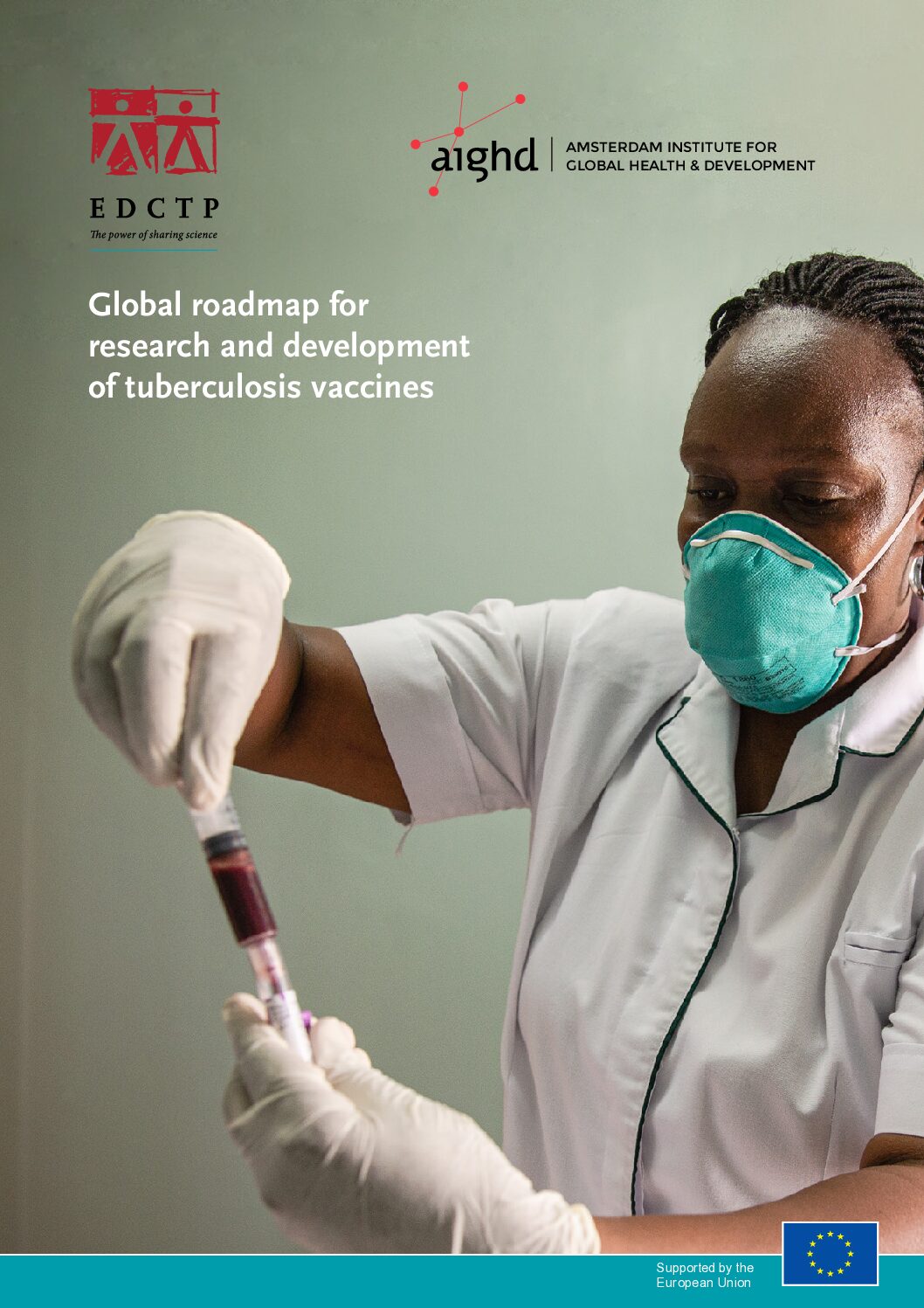
Through a global consultative process, EDCTP has developed this roadmap that identifies the key priorities and barriers to TB vaccine R&D and implementation and suggests pathways to overcome them including funding, transparent and open science, and robust stakeholder engagement.
As now-late stage TB vaccine candidates were quietly advancing through the Pipeline, the World Health Organization brought together a group of scientists, developers, funders, civil society, and community representatives to discuss the ideal characteristics of a future TB vaccine. This document presents the preferred characteristics for new TB vaccines, informed by the high need for additional vaccines to meaningfully shift the battle to end TB.
The overarching priorities underscore the need for a vaccine to prevent pulmonary TB and reduce transmission of TB in adults and adolescents alongside a new pediatric vaccine that improves on the safety and efficacy of BCG.