
CONTACT: De’Ashia Lee, director@anea.org
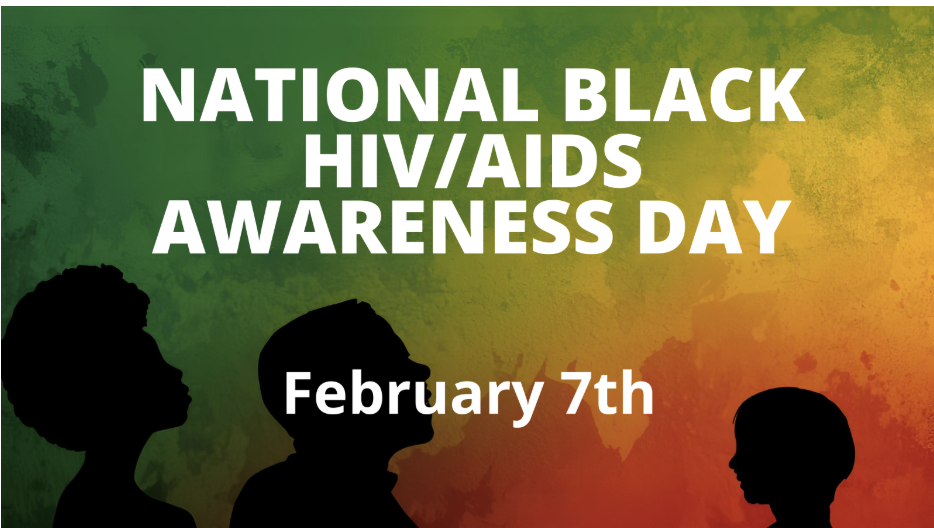
February 6, 2026 — On National Black HIV/AIDS Awareness Day, we recognize the ongoing and disproportionate impact of HIV on Black communities and recommit to addressing the structural inequities that continue to fuel the epidemic.
Black people make up approximately 12% of the U.S. population, yet account for 37% of estimated new HIV diagnoses, according to 2022 CDC data. These disparities are not the result of individual behavior, but of long-standing systemic barriers including racism, HIV stigma, discrimination, homophobia, poverty, and unequal access to quality health care, that shape health outcomes and limit prevention and care.
Recent actions to remove HIV awareness days related to race, ethnicity, and gender identity from federal health websites such as CDC.gov and HIV.gov threaten to further erode awareness, education, and public understanding. These removals reduce opportunities for individuals to assess their own sexual health, seek HIV testing, and consider prevention tools like PrEP, which is already underutilized among Black communities.
While PrEP use has increased overall, it has not kept pace with need. In 2021, only 8% of Black individuals with a PrEP indication were receiving it, compared to over 61% of White individuals. This gap reflects systemic failures, not lack of interest or responsibility, and underscores the urgent need for culturally responsive outreach, education, and access.
This National Black HIV/AIDS Awareness Day, we uplift the truth: Black people are disproportionately impacted by HIV, and equity-driven solutions are essential. Ending the HIV epidemic requires confronting racism, expanding access to prevention and care, and ensuring that Black communities are centered, visible, and supported in public health efforts.