
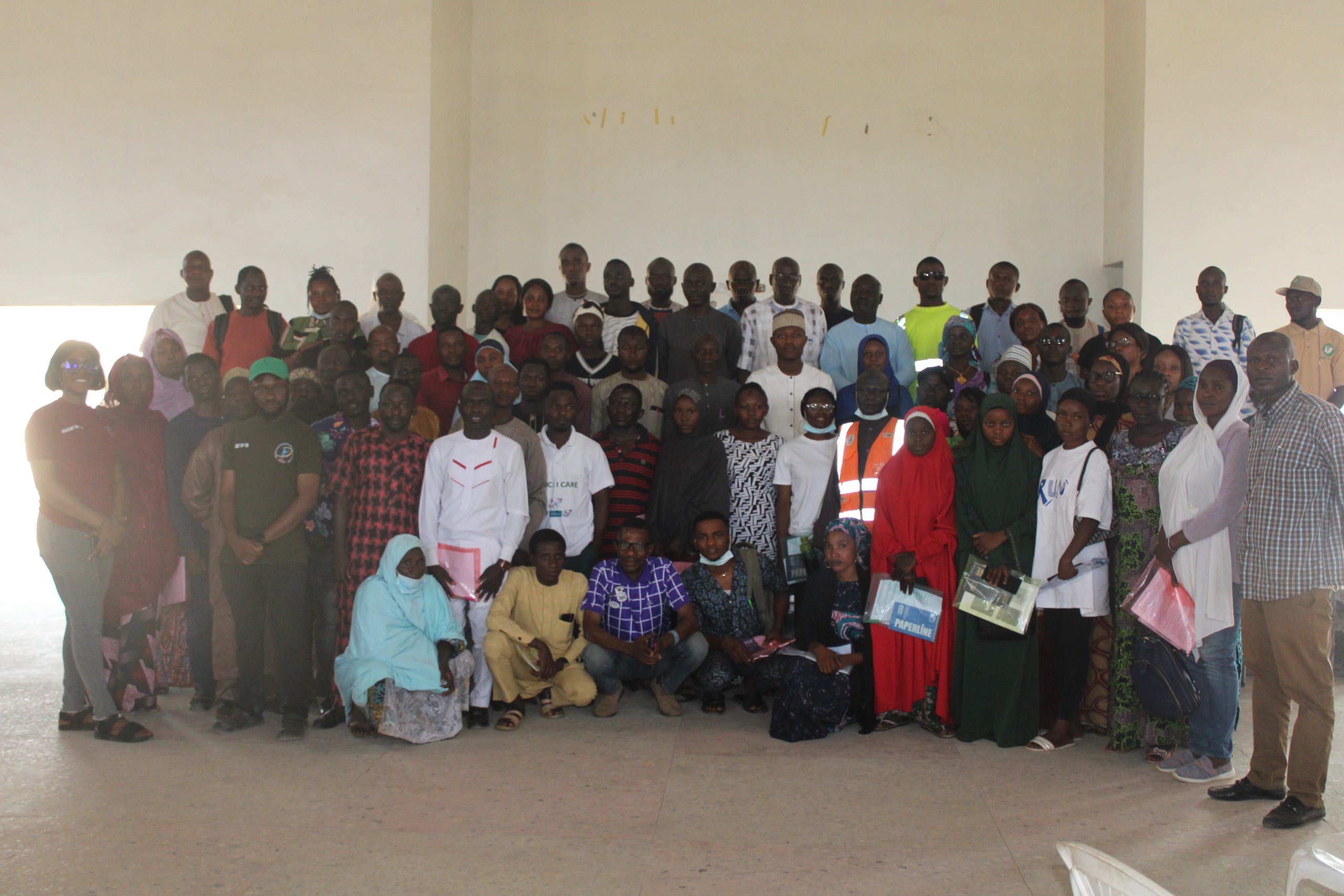
In Nasarawa State, the Initiative for Prevention and Control of Diseases (IPCD), in collaboration with the State TB Program, has been actively implementing interventions to improve DR-TB outcomes through patient visits, patient-centered advocacy, capacity building, and service decentralization.
Written by: Initiative for Prevention & Control of Diseases (IPCD)
Background: Drug-resistant tuberculosis (DR-TB) continues to pose a significant public health challenge in Nigeria. Despite advancements in treatment regimens, access to quality care, trained personnel, and patient follow-up remain major barriers to effective DR-TB control, especially in semi-urban and rural areas. In Nasarawa State, the Initiative for Prevention and Control of Diseases (IPCD), in collaboration with the State TB Program, has been actively implementing interventions to improve DR-TB outcomes through patient visits, patient-centered advocacy, capacity building, and service decentralization.
Description of Activities Carried Out:
- Patient Sensitization and Re-engagement: Two DR-TB patients who had previously interrupted treatment were identified and re-engaged through intensive counseling and community-level sensitization. These individuals were successfully placed back on treatment, and close monitoring showed significant improvements in their health outcomes and adherence.
- Advocacy for Decentralization of OPD Services: IPCD recognized that travel costs were a major deterrent for DR-TB patients attending Outpatient Department (OPD) follow-ups, often resulting in treatment interruptions or discontinuation. In response, IPCD advocated to the Nasarawa State TB Program to decentralize OPD sites. This would bring care closer to communities and ease transportation-related challenges.
- Capacity Building for DR-TB Management: Through persistent advocacy and partnership, the State TB Program trained a cadre of health professionals across 13 local government areas (LGAs) in Nasarawa State on DR-TB management protocols. This included; one doctor, one health care worker (HCW), and one Local Government TB & Leprosy Supervisor (LGTBLS) from each LGA in the state, were trained on DR-TB management protocols. These trained personnel are expected to conduct step-down trainings to cascade the knowledge to colleagues at local health facilities, thereby expanding the pool of competent health workers managing DR-TB patients and avoiding a brain drain scenario.
Results:
Decentralization discussions are underway with commitment from the State TB Program to expand OPD access points. A total of 39 frontline health workers (3 per LGA across 13 LGAs) have been trained, forming a core team for step-down DR-TB training. Improved collaboration between IPCD and the State TB Program has enhanced responsiveness to community-identified challenges, and helped to re-engage DR-TB patients in care.
Lessons Learned & Next Steps:
This case study highlights how a blend of advocacy, patient engagement, and targeted capacity building can drive significant improvements in DR-TB management at the sub-national level.
- Patient follow-up and re-sensitization are effective strategies to bring relapsed DR-TB patients that interrupt treatment back into care and improve outcomes.
- Advocacy driven by community realities can influence policy and structural changes, such as decentralizing services to improve access.
- Training local health workers is a sustainable way to build system capacity, especially when knowledge is cascaded through peer step-down trainings.
- Partnerships between CSOs and government health programs are crucial in bridging service delivery gaps and achieving public health targets.
This case study is from a community project supported by the Unitaid-funded ASCENT DR-TB project.