The Promise and Potential of Economic Reforms for Health
The collapse of global health aid in 2025 revealed the fragility of health financing. Despite successes against TB and HIV in recent years, health aid from bilateral and multilateral donors has not generated sustainable, country-led financing for health. Now, governments are scrambling to fill funding gaps to provide life-saving care.
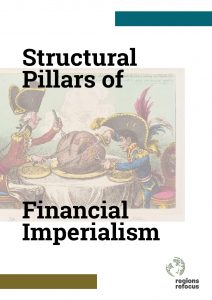
Though the crisis seems acute, the conditions that created it were built long before aid was abruptly withdrawn. These conditions are the obvious outcome of an international financial architecture in which decisions made in Washington, D.C. shape and limit countries’ ability to collect revenue to invest in health and other social goods.
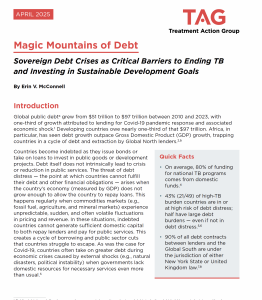
We can see the legacy of these decisions around the world – in post-apartheid South Africa caught in the economic web that undercut their ability to meet their campaign promises around healthcare to today when countries are so indebted they are draining money from lifesaving services for debt payments.
Read more about TAG’s review of these conversations: But…I’m a TB Activist? Perspectives from a Health Advocate on the Ground from the World Bank & International Monetary Fund Spring Meetings
TAG was on the ground at the 2026 Spring Meetings of the World Bank and IMF – where many of these decisions are discussed – to understand how both institutions are reacting to health aid cuts and the solutions being offered within these halls of power. Read more about TAG’s review of these conversations at the link below.
You’ll also find a new Zine illuminating one path toward country self-sufficiency in financing health and all other social services: Taxation! The Zine covers the ongoing negotiations around the United Nations Framework Convention on International Tax Cooperation and the promise the convention carries to shape economic policies and ensure adequate domestic revenues to invest in health.
Follow along over the coming year as TAG explores more parts of the international financial architecture and their relationship with health: the IMF’s Special Drawing Rights (SDRs), a reserve currency held by the Fund, that can be used to finance critical health initiatives; and ongoing coverage of the UN Tax Convention and how it can shape health investments at the country level.