Treatment Action Group’s (TAG) HIV team works across the country to achieve a shared mission: end the HIV epidemic through science, policy, and advocacy. As a remote team, the reach is national but the urgency is personal. At a time when progress is possible and precarious, the team ensures that research translates into action for impacted communities.
As the day unfolds, you’ll meet the people behind this progress: Riko Boone, TAG’s HIV Project Director; Richard Jefferys, Director of Basic Science, Vaccines, and Cure; and De’Ashia Lee-White, Director of the ACT NOW: End AIDS (ANEA) Coalition. We invite you to read about how TAG’s HIV team navigates the intersection of science, advocacy and coalition building. Your generous support makes our work possible. Their work, which includes advancing prevention, vaccine, and cure research, brings us closer to an HIV-free future.
7:00 AM – POWERING THE MOVEMENT
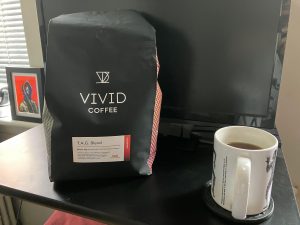
In Washington D.C., Riko Boone is wide awake making a quick breakfast, doing his morning cardio, and brewing his coffee. In South Carolina, De’Ashia Lee-White starts her morning with her wife, grabbing coffee and tea before settling into their home offices. In NYC, Richard Jefferys begins the day with a cup of TAG Blend Vivid coffee in hand and a scan of what’s new in HIV science.
8:00 AM – Logging on, Tuning In
Working remotely doesn’t mean working alone but it does mean staying constantly connected. Riko reviews the day’s schedule while walking his fur-child Kyli, mentally mapping out priorities and conversations that he plans to have with the HIV team and partners. De’Ashia checks emails and reviews ANEA’s social media, flagging updates for the coalition’s communications consultant. Richard starts his day with a deep dive into scientific updates because in HIV research, what changed overnight can shape the future.

9:00 AM – TRACKING POLICY AND SCIENCE IN REAL TIME
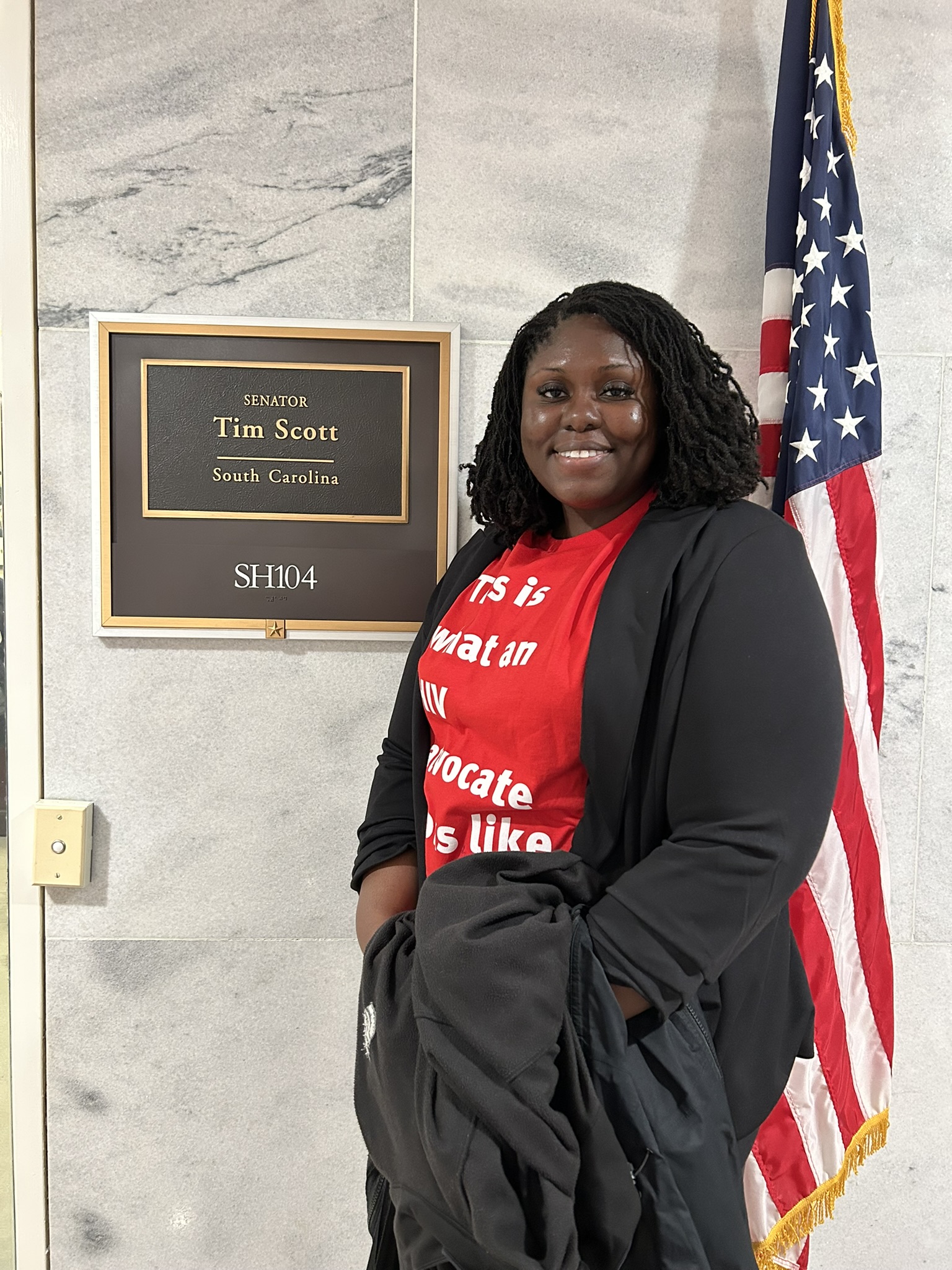
The stakes are high, and the team moves quickly. Riko scans his email inbox for the latest headlines in federal policy shifts, developments at the NIH and CDC — flagging anything that could impact funding or access. Meanwhile, De’Ashia is on the move, preparing to travel to D.C. to bring community voices to Capitol Hill.
Richard combs through databases like PubMed and ClinicalTrials.gov, tracking new studies and clinical trials. Each entry matters because these are the building blocks of TAG’s HIV Pipeline Reports and the evidence base for advocacy. At a time when political pressures threaten scientific integrity, even monitoring these databases becomes an act of vigilance.
10:00 AM – ADVOCACY IN ACTION
This is where science meets visibility and where moments turn into momentum.
Riko moves through priority tasks, balancing strategy and execution. On Capitol Hill, De’Ashia is meeting with policymakers to elevate priorities like PrEP access, Medicaid, and federal HIV funding. In a moment that captures the intersection of culture and advocacy, she crosses paths with Bravo’s Real Housewives during their “Housewives on the Hill” event, focusing on PrEP access. She shoots content to be amplified across ANEA’s social media.

Meanwhile, Richard is deep in the data, conducting the monthly update of TAG’s HIV cure clinical trials listing. He reviews all 118 studies currently tracked, checking for status changes such as new enrollments, completions, or pauses, and integrates newly identified trials from ClinicalTrials.gov and international registries collected by the World Health Organization (WHO). In March 2026 alone, he logged 13 updates, ensuring the information remains accurate and accessible. He drafts a companion blog post to break down these developments, translating science into insights for advocates.
11:00 AM – “Aligning Strategy, Amplifying Voices”
Collaboration is everything. Riko convenes with the HIV team and ANEA leadership to align priorities and track progress. De’Ashia joins her weekly check-in with the ANEA Steering Committee, ensuring coalition efforts stay focused on key issues like Medicaid, federal funding, and global HIV investments.
Together, these moments of alignment ensure that advocacy is not only informed but coordinated.
12:00 PM – DEFENDING PROGRESS
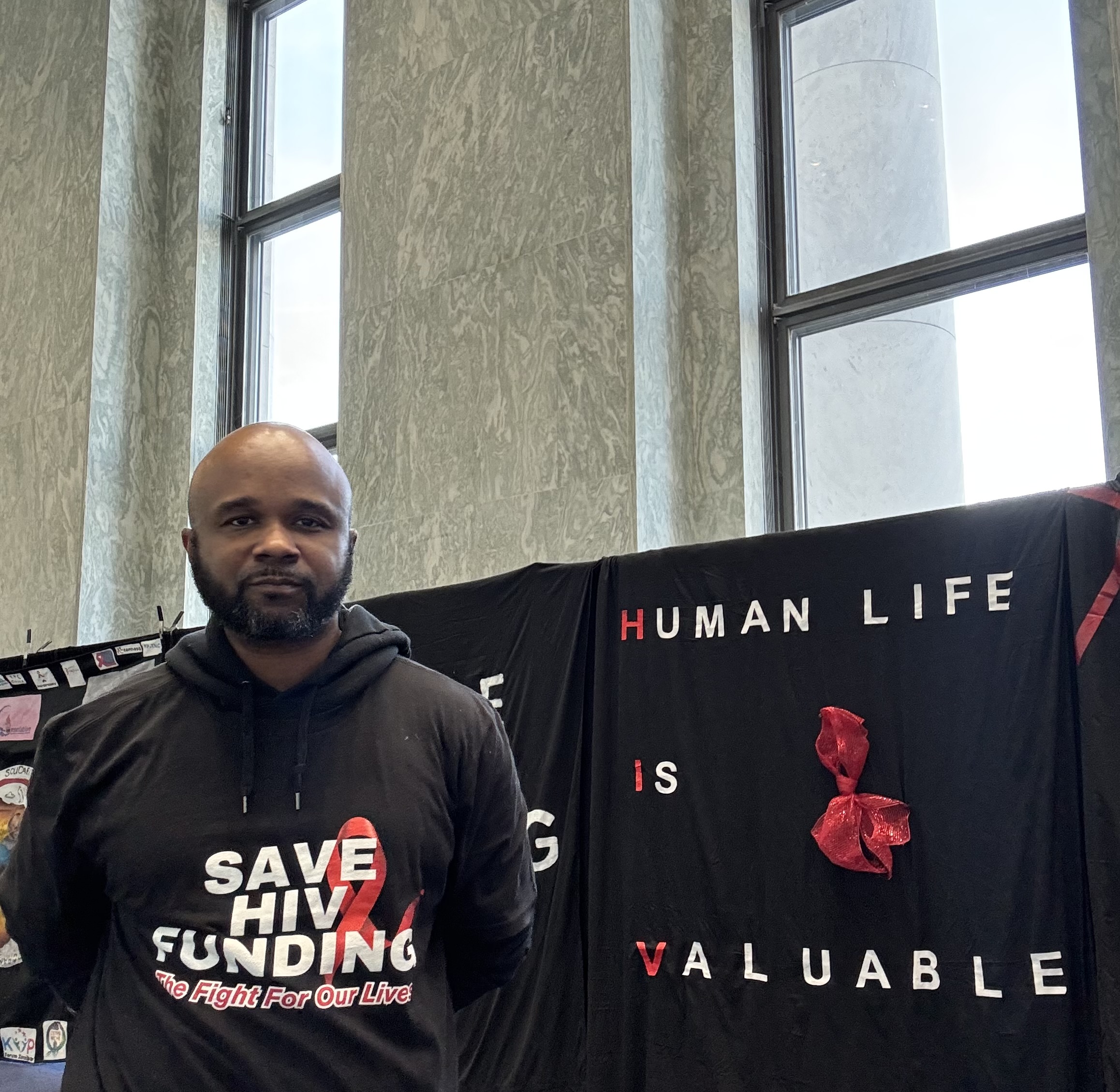
Riko shifts into policy mode as he prepares for bi-weekly policy meetings, coordinates agenda items with colleagues, and joins weekly Save HIV Funding Campaign calls to safeguard resources. He also connects to the broader field by attending partner-hosted webinars.
De’Ashia takes a quick pause for lunch but remains plugged into breaking news, knowing that shifts in policy and funding can happen at any moment.
Richard leads an internal TAG strategy call focused on defending continued NIH investment in HIV clinical trial networks. Together, the team drafts comments for the upcoming AIDS Research Advisory Committee (ARAC) meeting at the NIH. These networks are the backbone of scientific progress, and protecting them is essential to ensure that new treatments, prevention tools, and cure strategies reach affected populations.
1:00 PM – BUILDING MOMENTUM
Riko resets with a walk before diving back in. De’Ashia maps out digital campaigns designed to mobilize communities across the country. Richard speaks with a company advancing a promising intervention aimed at improving immune recovery for people with HIV. Richard’s work is part of a broader effort to push the field forward. By maintaining one of the few comprehensive listings of studies in the space and collaborating with the FDA, he’s driving cutting-edge research and innovation.
These moments bridge the gap between science and lived experience, catalyzing meetings, moments, and relationships into opportunities for real change.
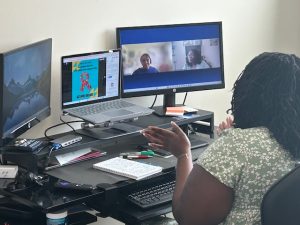
3:00 PM – TEAM IN SYNC
Weekly HIV team meetings are a space to troubleshoot, strategize, and support one another — especially in a rapidly shifting political landscape. Riko leads discussions on partnerships and communications strategy, De’Ashia shares updates from the field, and Richard brings the latest from the scientific frontlines.
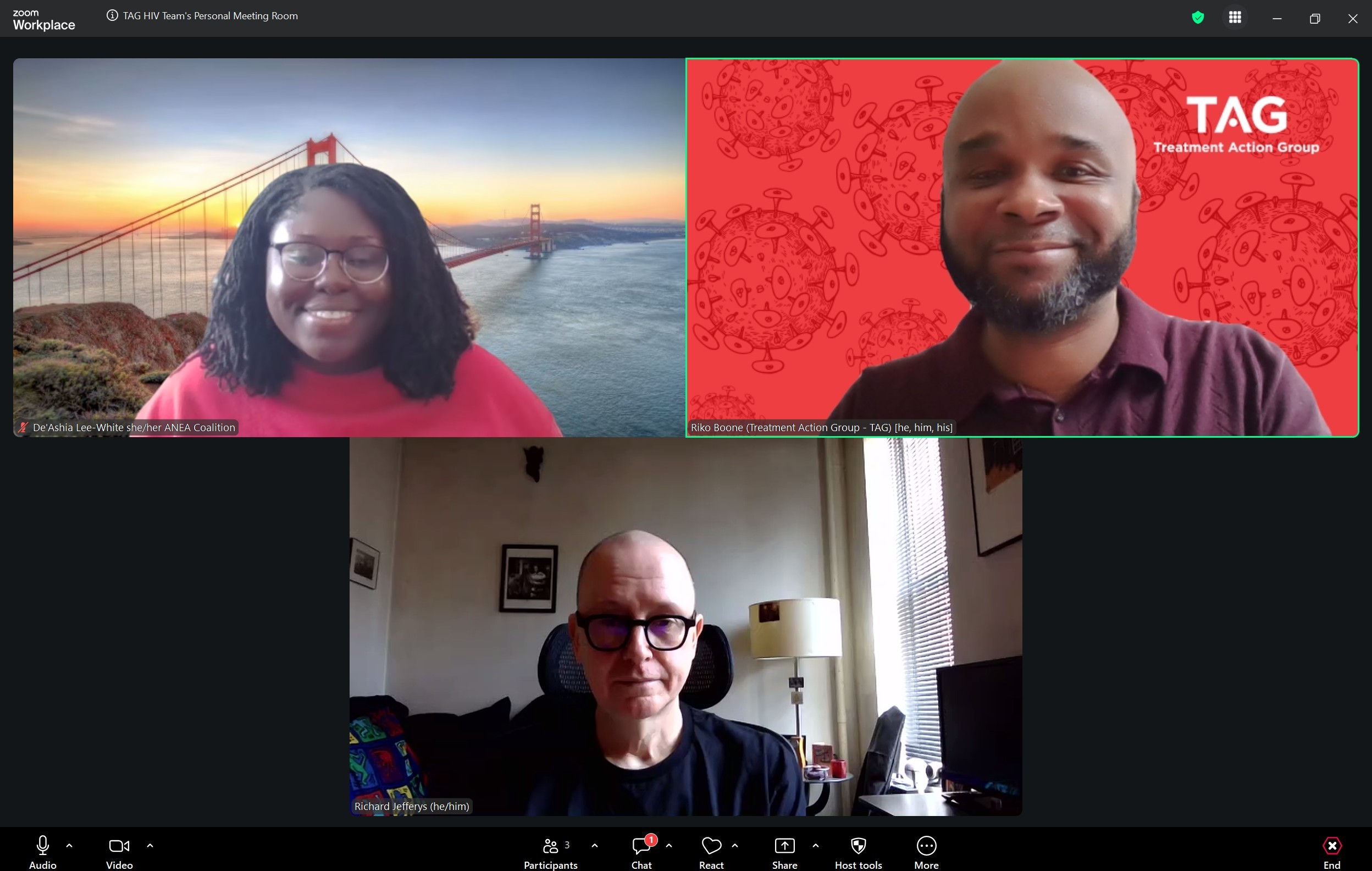
4:00 PM – FROM DATA TO ACTION
As a founding member of the PrEP in Black America (PIBA) Coalition, Riko attends the weekly PIBA Steering Committee meeting, which helps shape conversations on PrEP access and equity. Outside of these meetings, time is dedicated to reviewing budgets and funding proposals.
De’Ashia closes out the day by documenting completed deliverables, organizing priorities with to-do lists, and connecting with advocates in South Carolina who are working to establish a statewide HIV coalition.
Richard participates in the Delaney AIDS Research Enterprise (DARE) collaborative call, representing TAG in discussions with researchers and advocates. The session highlights presentations on immunological factors that may help individuals maintain viral suppression after discontinuing antiretroviral therapy, reinforcing the importance of integrating community into cure research.
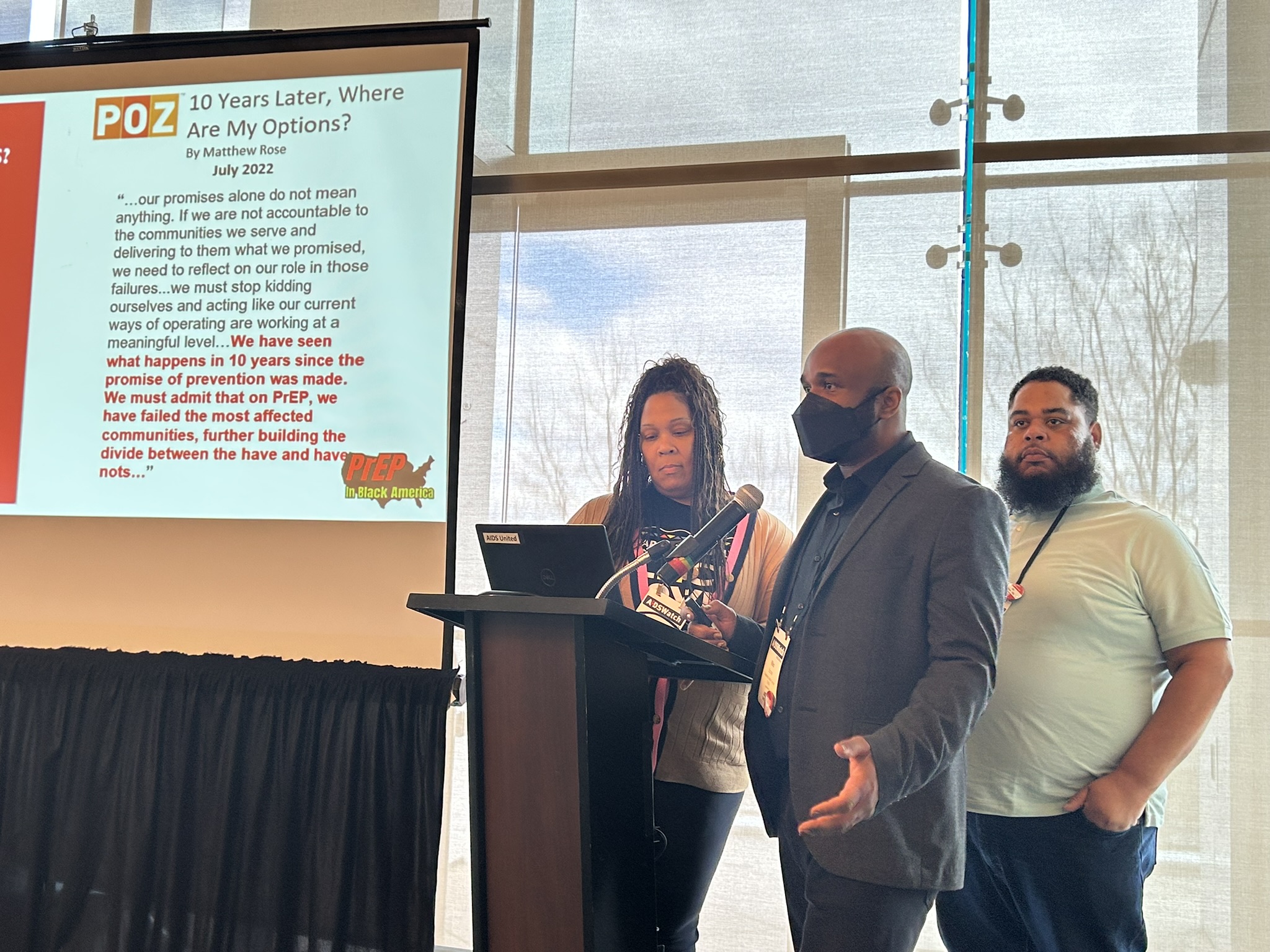
5:00 PM – PUSHING THE NARRATIVE FORWARD
As the day winds down, the advocacy continues. Riko connects with
external partners and media contacts, flagging updates for the next news cycle that shape the narrative and increase public awareness on policy developments or protests in response to funding threats. De’Ashia wraps up outreach and prepares for the next day’s advocacy push. Richard closes out by sharing updates with activists and researchers globally.
Because in this work, staying informed and keeping others informed is everything.
7:00 PM – REST, RESET, RECHARGE
After a full day of advancing science and justice, it’s time to recharge. Riko heads to the gym and takes the dog for a walk. De’Ashia unwinds at home, cooking dinner with her wife and reflecting on the day’s wins. Richard logs off after a long day at the intersection of science and advocacy.
WHY THIS WORK MATTERS
This is just one day in the life of TAG’s HIV team. A fully remote, nationally connected group working at the forefront of science, policy, and community advocacy.
The progress is real. But so are funding cuts and political interference. This work has never been more urgent. Every meeting, every dataset, every conversation is part of a larger fight: to ensure that scientific breakthroughs lead to real, equitable outcomes for HIV-impacted communities.
And it’s all made possible by supporters like you. Your support keeps experts in the room when funding decisions are made. Will you make a leadership gift to sustain TAG’s HIV policy and research advocacy this spring?

Mark Harrington
Executive Director